The History of Cakoi in Malaysia — From Street Stalls to Cafes
Trace the journey of cakoi from traditional Chinese youtiao to a beloved Malaysian street snack, and how modern cafes are reinventing it.
Francis & Esther
20 November 2025 · 6 min read
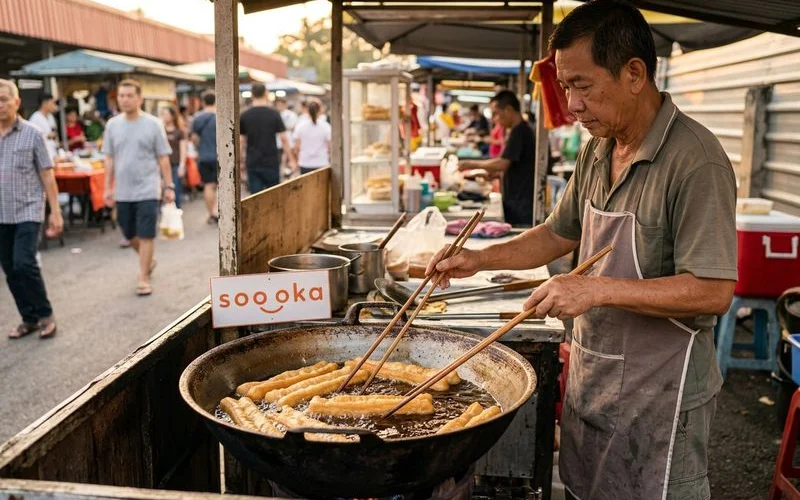
Every Malaysian knows cakoi. You know that specific smell at a morning market? That sharp, savoury scent of dough hitting hot oil? It is the universal signal that breakfast is ready. Whether you call it cakoi, you tiao, or simply “that fried dough thing,” it is one of those rare foods that transcends ethnicity, income level, and age.
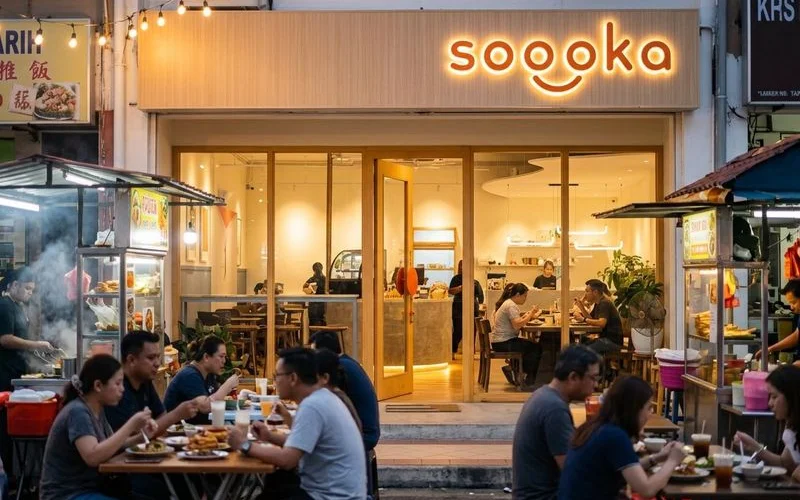
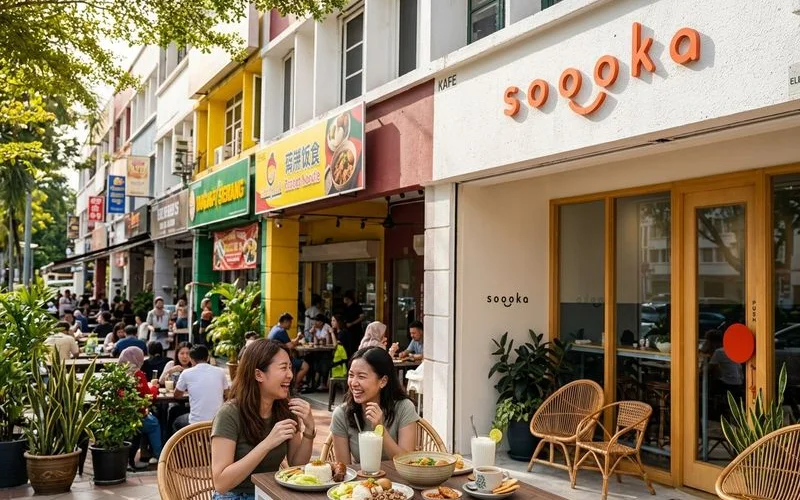
You find it at roadside stalls at six in the morning and in modern cafes at six in the evening. But how did a humble stick of fried dough become such an essential part of Malaysian food culture? And how is it being reinvented for a new generation?
At Soooka Cafe, we are proud to be part of cakoi’s evolving story. Since opening our doors in August 2023, we have watched this simple comfort food capture the hearts of a whole new crowd. Here is a look at where it came from, and where we believe it is going.
Ancient Chinese Origins
The story of cakoi begins in China during the Southern Song Dynasty, specifically around the year 1142 AD. The original dish was called youtiao (油条), which literally translates to “oil strip.” Legend has it that youtiao was created not by a chef, but by angry citizens as a form of political protest.
A corrupt official named Qin Hui was widely blamed for the wrongful execution of a beloved general, Yue Fei, who died in a prison cell in 1142. Street vendors, unable to speak out directly against the powerful chancellor, began shaping two strips of dough to represent Qin Hui and his wife. Pressing them together and frying them in oil was a symbolic act of punishment — a way for the common people to “fry” the traitors in effigy.
Whether this origin story is entirely historical or partly folk legend, it speaks to how deeply embedded youtiao is in Chinese culinary identity. For centuries, youtiao was a breakfast staple across southern China, served alongside congee, soy milk, or simply eaten plain with a sprinkling of sugar.
The Journey to Southeast Asia
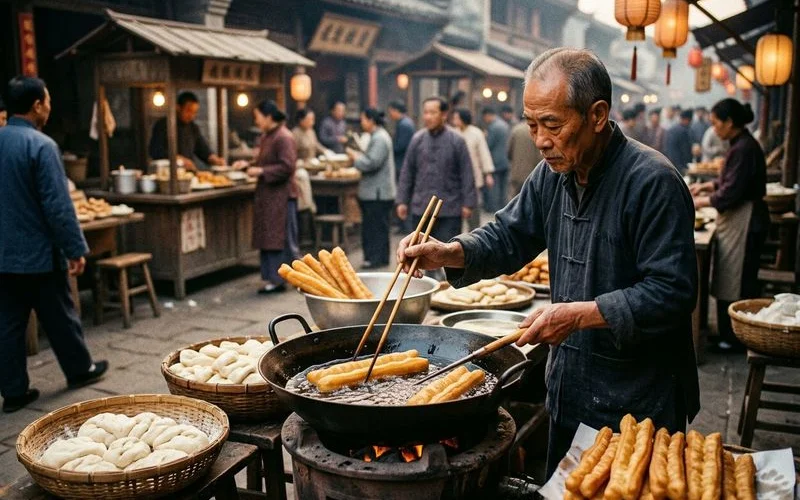
When Chinese migrants began settling in the Malay Peninsula during the 19th-century tin mining boom, they brought their food traditions with them. Youtiao was one of many dishes that made the crossing, but something interesting happened over the following decades: the dish began to adapt to its new home.
In Malaysia, the local climate, available ingredients, and cross-cultural influences gradually transformed youtiao into something distinctly Malaysian. The name itself changed — “cakoi” is widely believed to be a localized pronunciation of the Hokkien term “Char Kui” (fried cake/ghost). This linguistic shift reflects something deeper: cakoi was no longer just a Chinese food. It had become a Malaysian one.
Cakoi in the Malaysian Street Food Landscape
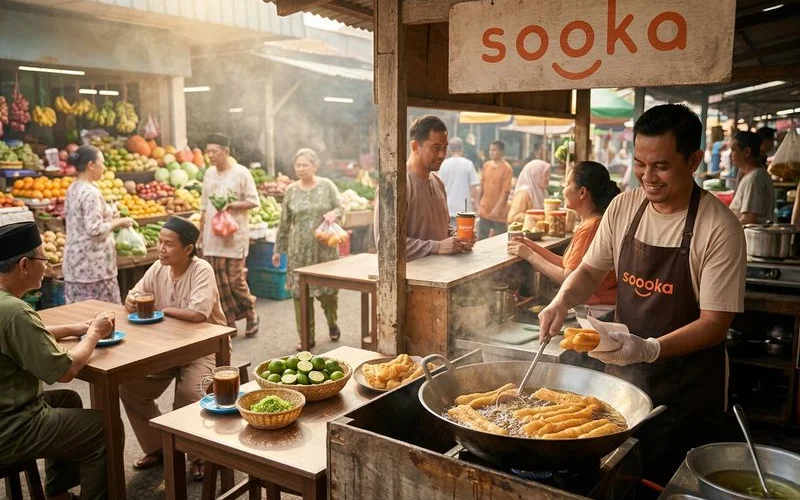
By the mid-20th century, cakoi had become a fixture of Malaysian street food culture. You would find it in almost every morning market and pasar malam (night market) across the country. Cakoi vendors typically operated from simple stalls or carts, frying their dough over charcoal or gas stoves in large, shallow woks filled with oil.
The Malaysian version of cakoi evolved to have its own distinct character. Compared to the longer, thinner youtiao commonly found in China, Malaysian cakoi tends to be shorter, puffier, and slightly sweeter. The exterior is typically crispier while the inside remains delightfully airy and chewy.
The Science Behind the Puff
Have you ever wondered why traditional street cakoi has that massive, airy structure? The secret is often Ammonium Bicarbonate (food-grade ammonia). This traditional raising agent releases gas rapidly when it hits the hot oil (usually around 180°C), creating those giant bubbles that yeast alone cannot achieve. It is also responsible for that faint, sharp scent you might notice at older, traditional stalls.
Regional Variations
Malaysia’s diversity naturally led to regional variations of cakoi. Here is how it differs across the map:
- Penang: Cakoi is often served alongside asam laksa or paired with thick coffee at traditional kopitiams. Vendors here sometimes sell it as “Char Koay,” and it tends to be slightly thinner and crispier than the KL version.
- Johor and Singapore: Influenced by the Teochew community, cakoi here is frequently served with Bak Kut Teh or congee. The texture is often softer and more bread-like, perfect for soaking up savoury broths.
- Kuala Lumpur and Selangor: The KL version is arguably the most versatile, appearing at breakfast stalls, tea-time snack shops, and increasingly, modern cafes. This is the cakoi culture that Soooka Cafe grew up in.
- East Malaysia: In Sabah and Sarawak, cakoi is a popular tea-time snack often served with local variations of dipping sauces. You will frequently see it paired with a simple dip of sweetened condensed milk or rich kaya (coconut jam).
The Modern Reinvention
In the past decade, Malaysian food culture has undergone a remarkable transformation. A new generation of chefs and cafe owners — many of whom grew up eating cakoi from street stalls — have begun reimagining traditional dishes through a modern lens. Cakoi has been one of the biggest beneficiaries of this movement.
The reinvention takes many forms. Some cafes serve cakoi as a dessert, drizzled with chocolate or paired with premium ice cream. Others have turned it into a savoury starter, stuffed with fillings ranging from curry chicken to salted egg yolk. The humble dough that was once exclusively a morning snack has found a place on all-day menus.
Street Stall vs. Modern Cafe
To help you decide where to get your fix, here is a quick comparison of the two experiences:
| Feature | Traditional Street Stall | Modern Specialty Cafe |
|---|---|---|
| Average Price | RM 1.00 - RM 2.00 per piece | RM 8.00 - RM 18.00 per serving |
| Serving Style | Paper bag, eaten by hand | Plated, often with dips or fillings |
| Best Pairing | Kopi O, Soya Bean, or Porridge | Latte, Matcha, or Artisan Ice Cream |
| Key Ingredient | Ammonium Bicarbonate (Crispy/Airy) | Yeast/Baking Powder (Dense/Bread-like) |
What We Do at Soooka
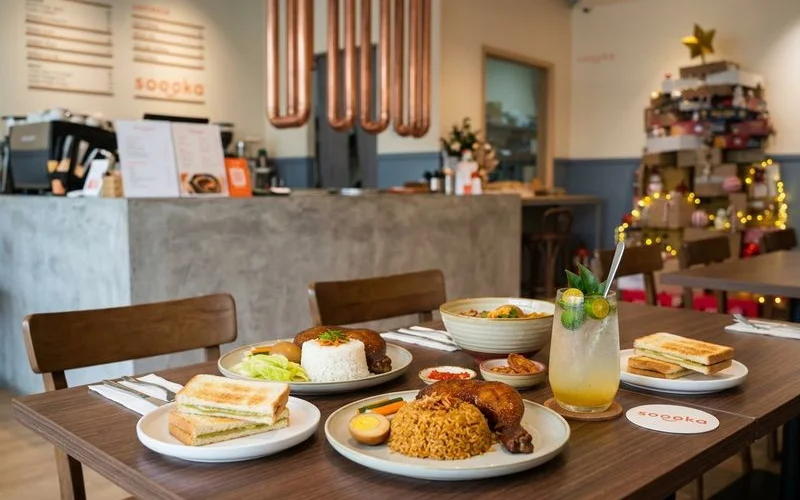
At Soooka Cafe, our approach to cakoi honours tradition while embracing creativity. We source our signature cakoi from an artisan with 25 years of frying expertise — a direct connection to the street stall tradition that defined cakoi for generations.
This partnership ensures we get that authentic texture that machines just cannot replicate. But our menu takes that foundation and builds something new: chili prawn stuffed cakoi, coconut ice cream pairings, and kaya dipping platters that bring together the best of old and new Malaysia.
We believe that modernising a dish does not mean abandoning its roots. The cakoi we serve is still recognisably, unmistakably cakoi. But the way we present it, pair it, and celebrate it reflects the evolving tastes and expectations of a new generation of Malaysian food lovers.
A Food That Belongs to Everyone
What makes cakoi’s history truly beautiful is how it transcended its origins. A Chinese breakfast staple became a Malay pasar malam favourite. A street food became a cafe menu highlight. A simple fried dough became a symbol of Malaysia’s ability to adopt, adapt, and make things its own.
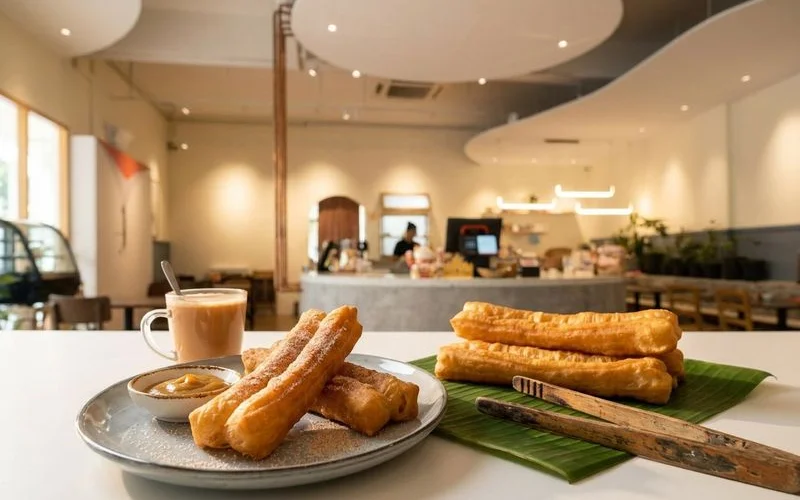
The next time you bite into a piece of cakoi at our fusion cafe in Petaling Jaya, you are not just eating a snack. You are participating in a food story that spans centuries, continents, and cultures. And we think that is something worth savouring.
Visit us at Soooka Cafe in Damansara Perdana, Petaling Jaya, and taste the latest chapter in cakoi’s ongoing Malaysian story. Pair it with our specialty coffee drinks for a truly complete experience.
Explore More
View our signature cakoi menu →