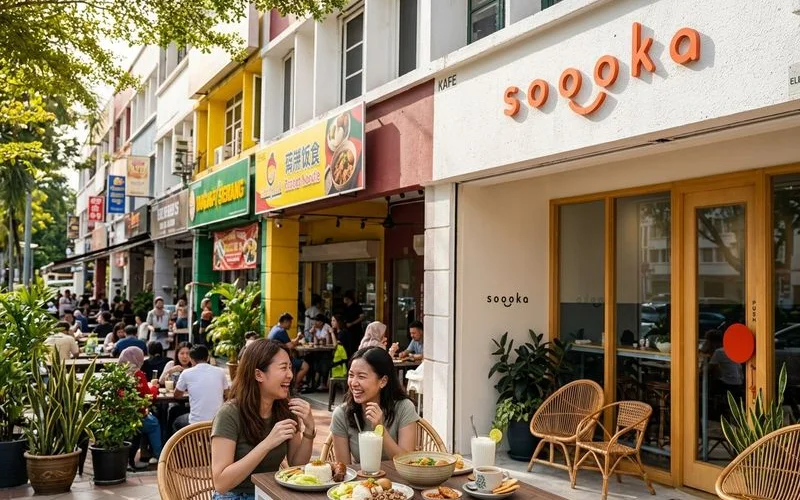
Meet Our Founders — The Story Behind Soooka Cafe
From a shared love of home-cooked food to opening a modern fusion cafe. Hear the personal story of Francis and Esther, the husband-and-wife team behind Soooka.
Francis & Esther
1 August 2025 · 7 min read
People often ask us how Soooka Cafe started. They usually expect a complex business strategy involving focus groups and high-level investors.
The reality is much simpler.
Soooka started with two people who love food and wanted to share that affection with the Damansara Perdana community.
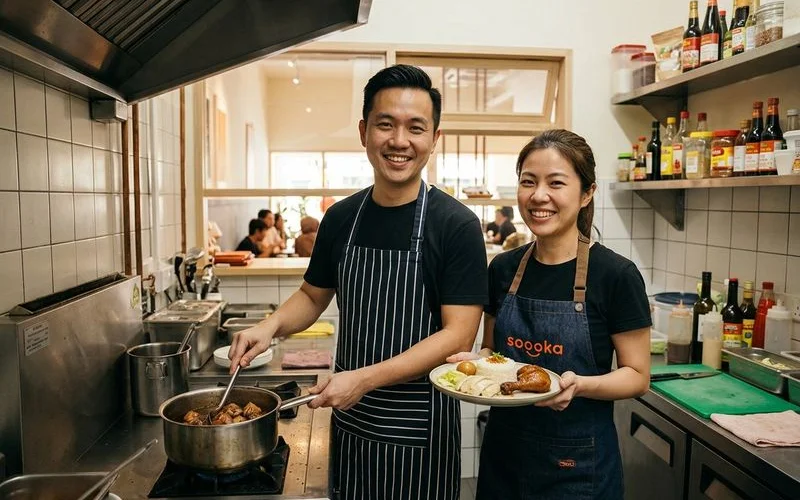
We are Francis and Esther, the husband-and-wife team behind Soooka Cafe.
This is our story. It is not a polished marketing brochure.
You will find an honest account here of how two passionate home cooks transitioned into running a fusion cafe in a competitive landscape.
Where It All Began
Both of us grew up in families where food was the absolute centre of daily life.
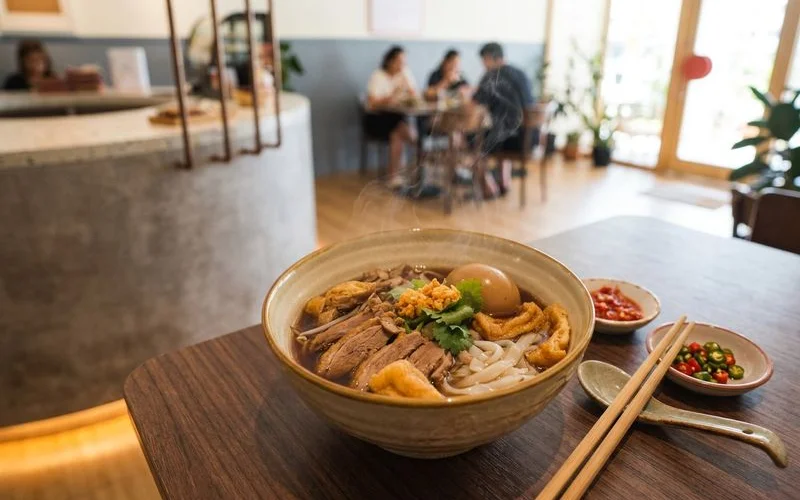
In Francis’s family, Sunday meals were elaborate events. His mother spent entire mornings preparing Teochew-style braised dishes and herbal soups. The braised duck that is now a staple at Soooka traces its roots directly to those family gatherings.
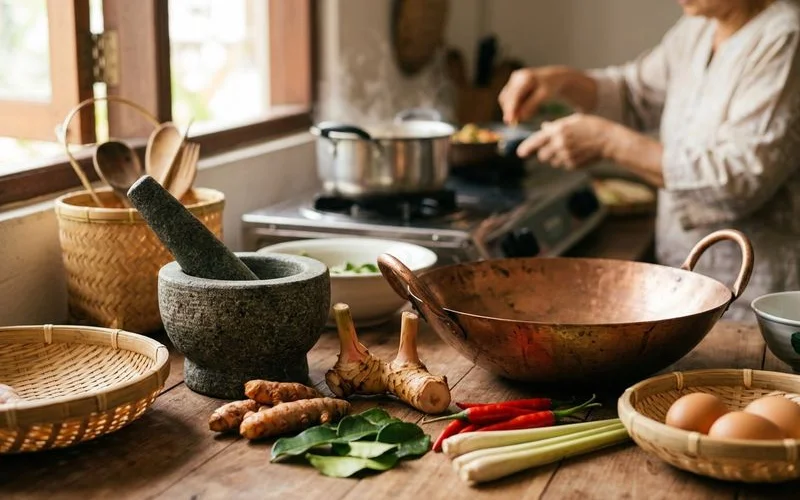
Esther grew up in a Nyonya household where culinary skills were passed down through observation rather than written instruction.
Her grandmother’s hands moved with precision. She ground rempah (spice paste) on a batu lesong (granite mortar) until the texture was perfect. She knew by smell alone when the santan (coconut milk) in a curry had reached the critical pecah minyak stage, where the oil separates from the spice paste.
These skills cannot be learned in a standard culinary school.
Defining Our Culinary Heritage:
- Teochew Tradition: Focuses on slow-cooked braising, clear soups, and preserving the natural taste of fresh ingredients like duck and seafood.
- Nyonya Sensibility: Centres on complex spice blends, the marriage of Chinese ingredients with Malay spices, and the balance of sour, sweet, salty, and spicy.
- The Fusion: Our kitchen merges these two distinct worlds to create comfort food that feels both familiar and new.
When we married, our kitchens merged. Francis brought the Teochew braising traditions and a love for deep, clean flavours. Esther brought the Nyonya instinct for combining ingredients that seem unlikely on paper but sing together on the plate.
Our home cooking eventually became a blend of both traditions.
The Turning Point
The idea of opening a cafe did not arrive as a sudden flash of inspiration.
It grew slowly. One consistent piece of feedback from everyone who ate at our home fuelled it: “You should open a restaurant.”
We heard this phrase so often that we eventually started to take it seriously.
Realism tempered our excitement. Running a food business is fundamentally different from hosting a dinner party.
The Malaysian F&B industry is notoriously challenging. Statistics often show a high turnover rate for new cafes within the first two years due to operational costs and fierce competition.
So we took our time.
We spent months visiting cafes across the Klang Valley. Our visits were not as customers, but as students analysing workflow and service.
Observations included how kitchens were organised and how menus were structured to minimise waste. We spoke to other owners who generously shared the difficulties they had not anticipated.
Defining what Soooka would be was our next priority.
The market in Petaling Jaya was already saturated with places serving standard avocado toast and flat whites. We wanted to create a space rooted in Malaysian food heritage that felt modern.
Choosing the Name
“Soooka” is a playful spelling of the Malay word suka.
It means “to like” or “to enjoy.”
We wanted a name that captured the atmosphere we were aiming for: warm, unpretentious, and genuinely comfortable.
The goal was to build a space where you do not feel pressured to perform. You can simply be yourself, eat good food, and feel at home.
Building the Menu
The menu was the hardest part of the process.
We had dozens of recipes between us, including family dishes and experimental creations. Curating them into a coherent list that told a story was a significant challenge.
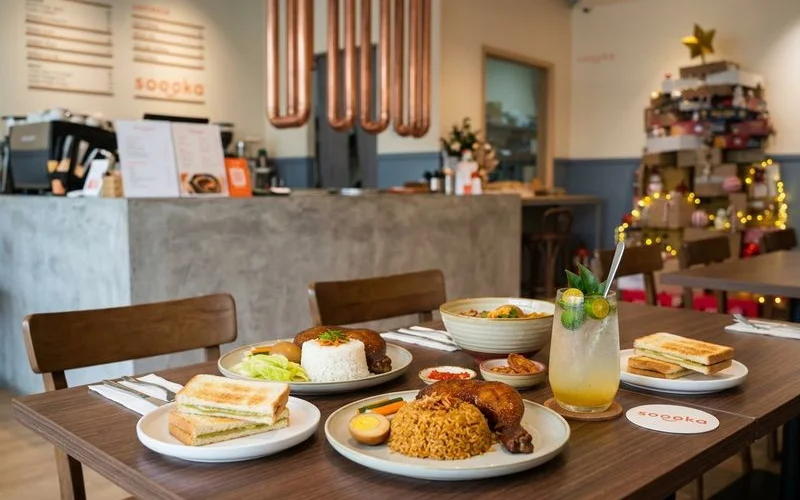
We started with the dishes that people had loved most at our home dinners.
The braised duck noodles, which Francis had spent years perfecting, were a non-negotiable inclusion.
Our signature cakoi comes from an artisan with 25 years of experience. This connection took months to establish and remains one of our greatest assets.
Nyonya-inspired snacks that Esther adapted from her grandmother’s recipes round out the selection.
Menu Philosophy: Every item must have a personal connection. If we do not love eating it ourselves, it does not go on the menu.
The comfort bowls reflect the kind of food we cook on cold, rainy evenings.
These meals are substantial and warming.
The snacks and sides are the dishes we prepare when friends come over for an informal gathering. They are meant for sharing and enjoying without formality.
Even our specialty drinks menu reflects our personal preferences.
Francis is a coffee obsessive who spent months sourcing the right kopi beans for our cold brew.
Esther championed the matcha latte. She insisted on using ceremonial-grade matcha from Uji, Japan, because the difference in umami and lack of bitterness is palpable compared to culinary grades.
The Difference in Matcha Grades:
| Feature | Ceremonial Grade (Our Choice) | Culinary Grade |
|---|---|---|
| Origin | First harvest leaves from Uji | Later harvest leaves |
| Taste | Sweet, umami, creamy | Bitter, astringent, grassy |
| Use Case | Drinking straight or in premium lattes | Baking and cooking |
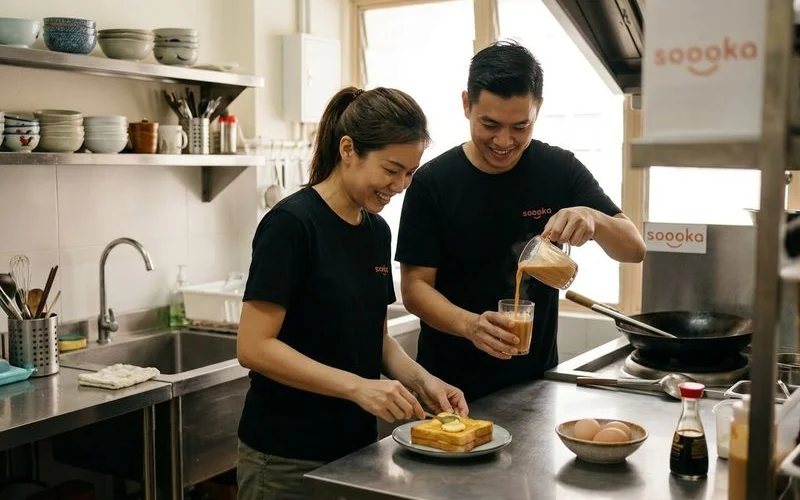
The Reality of Running a Cafe
We would be dishonest if we painted this as a smooth journey.
Running a cafe involves relentless work.
The early mornings and late nights are standard. Operational issues like supplier delays or equipment failures are realities that nobody sees from the dining room.
The first few months were particularly challenging.
We underestimated the technical difficulty of scaling recipes. Cooking for four people is entirely different from cooking for forty while maintaining consistency.
Some dishes that worked perfectly at home simply did not translate to a commercial kitchen without significant adjustment.
We also learned quickly that running a cafe is about more than just food.
People management is a huge component. Managing a team, understanding customer needs, and handling financial pressures are daily tasks.
There were weeks when we questioned whether we had made the right decision.
What Kept Us Going
Two things sustained us through the difficult early months.
The first was our partnership.
Running a business with your spouse presents unique challenges. We make it work because we bring different strengths to the table.
Francis handles the kitchen operations and recipe development. Esther manages the front-of-house experience and business administration.
We disagree frequently. These disagreements cover new dishes, pricing strategies, or supplier choices.
Productive conflict helps us grow. Every argument ends with a better decision than either of us would have made alone.
The second thing that kept us going was the customers.
A regular customer once told us that our braised duck noodles reminded them of their grandmother’s cooking.
That moment confirmed we were on the right path.
Food that connects people to their memories and heritage is what we set out to create. Hearing it confirmed by the people eating our food was profoundly motivating.
What Soooka Means to Us Today
Soooka is not just a business to us.
It is the physical expression of everything we care about: heritage Malaysian food, honest cooking, and community.
Every morning brings a moment of quiet satisfaction.
The kitchen fills with the aroma of braising spices. The oil heats for the first batch of cakoi while the coffee equipment hums to life.
These rituals ground us.
We are not trying to build a massive empire. Franchising or expanding to multiple locations is not our current focus.
Our goal is to do one thing and do it well. We want to run a cafe where the food is made with care and every person who walks through the door feels welcome.
A Note of Gratitude
To our customers in Damansara Perdana and beyond, thank you.
Your support has made Soooka possible.
Every review and recommendation means more to us than we can adequately express.
To our team, Soooka would not exist without you. The kitchen staff execute our vision with skill, and the front-of-house team makes every customer feel valued.
And to our families, this is for you. Your recipes and traditions inspired everything on our menu.
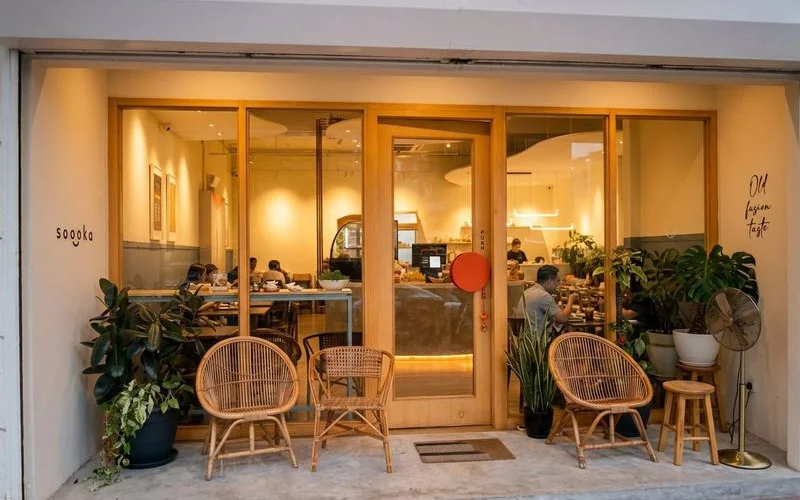
Come visit our fusion cafe in Petaling Jaya.
Location: 11A-1, Jalan PJU 8/5a, Damansara Perdana, Petaling Jaya.
Hours:
- Daily (except Wednesdays): 10am to 10pm
- Weekends: 8am to 10pm
We would love to cook for you.