Why We Cook Without MSG — Our Approach to Natural Flavour
Discover how Soooka Cafe achieves rich, complex flavours using only fresh ingredients and traditional techniques instead of MSG and artificial enhancers.
Francis & Esther
18 August 2025 · 6 min read
One of the most frequent comments we hear at the counter involves a mix of delight and genuine confusion. Customers often ask how the food carries such robust flavour without the use of MSG, sometimes with a skeptical look in their eyes.
In the Malaysian culinary landscape, monosodium glutamate is often treated as an essential standard. Choosing to omit it completely places us in the minority. This decision requires us to explain our reasoning and the methods used to achieve that depth of taste naturally.
We are not here to lecture anyone on health metrics. Scientific consensus, including reviews by major food safety bodies, generally regards MSG as safe for the general population. Our exclusion of this additive is not born from fear. It stems entirely from a specific philosophy regarding flavour complexity.
The Problem with MSG as a Shortcut
MSG is undeniable in its effectiveness. It works by stimulating specific glutamate receptors on the tongue to trigger an immediate, intense savoury signal. A single teaspoon can elevate a bland dish into something palatable. This efficiency explains its ubiquity in everything from street hawker stalls to the packaged snacks lining supermarket aisles.
However, reliance on this single compound creates a distinct sensory issue. When MSG serves as the primary driver of taste, it tends to flatten the overall flavour profile. Every dish seasoned this way begins to share a uniform, lingering aftertaste.
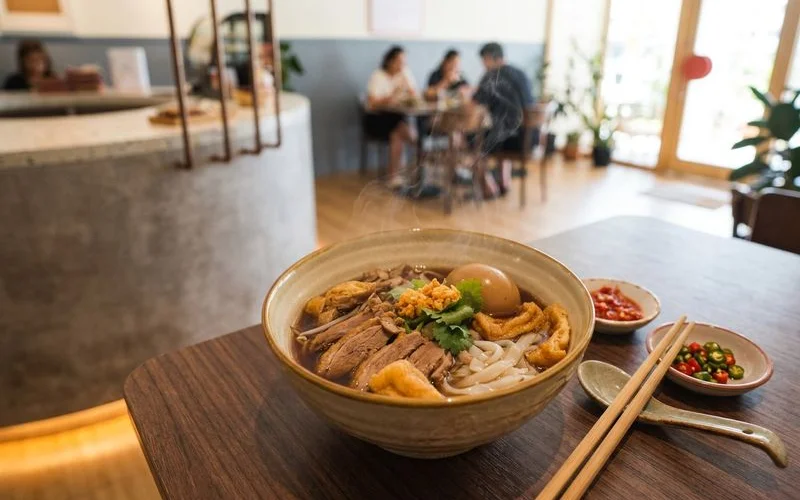
The subtle character of individual components gets lost in this wash of artificial savouriness. We want the natural sweetness of a slow-cooked onion or the mineral notes of a bone broth to stand out. The goal is for our braised duck to taste distinctly of duck and aromatic spices. Our fish ball porridge should highlight the freshness of the catch and the warmth of ginger.
To help visualize this, here is how we view the difference between artificial and natural flavour structures:
| Feature | MSG-Driven Flavour | Natural Umami Extraction |
|---|---|---|
| Source | Isolated industrial glutamate | Whole ingredients (bones, vegetables, ferments) |
| Complexity | Single-note, uniform “hit” | Multi-layered, evolving taste |
| Aftertaste | Lingering thirst, coating sensation | Clean finish, natural satiety |
| Time Required | Seconds to dissolve | Hours of simmering and reduction |
Achieving this natural profile requires us to build umami from the bottom up.
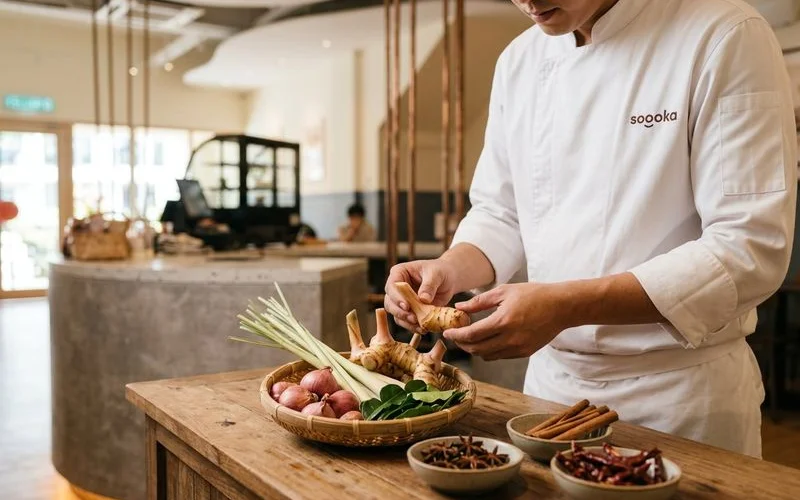
How We Build Flavour Naturally
Cooking without MSG is not the same as cooking without umami. This savoury taste occurs naturally in dozens of everyday ingredients. Success comes from understanding how to extract and layer these components effectively.
Long, Slow Cooking
Time acts as our most valuable ingredient. There are no shortcuts for the chemical changes that occur over hours of heat application.
When we braise our duck for three to four hours, we are facilitating a specific breakdown of proteins. Collagen within the connective tissue transforms into gelatin, giving the sauce a rich, lip-smacking texture. The marrow dissolves to release minerals, while the Maillard reaction generates hundreds of new flavour compounds on the meat’s surface.
These physical changes create a foundation of flavour that powder simply cannot mimic. Our broths follow the same strict protocol. Bones, aromatics, and water simmer patiently until the volume reduces significantly. This concentration turns a simple liquid into a nourishing, flavour-dense stock.
Fermented Ingredients
Malaysia boasts an incredible heritage of fermented foods. We utilise these traditional staples to drive our flavour profiles. Fermentation naturally breaks down proteins into free glutamates, providing the same savoury satisfaction as MSG but with added complexity.
Our kitchen relies heavily on these natural powerhouses:
- Soy Sauce: We use both light and dark varieties to balance salinity with caramel notes.
- Belacan (Fermented Shrimp Paste): This ingredient provides an intense savoury punch and a necessary “funk” to our sambals.
- Fermented Bean Paste (Tau Cheong): A classic element in Teochew cooking that offers a deep, sweet-savoury backbone.
- Fish Sauce: Used with precision, it adds a clean, oceanic brightness that lifts heavier dishes.
Each component introduces its own character beyond just saltiness. Tang, sweetness, and earthiness combine to form a harmony that a single additive could never achieve.
Proper Caramelisation
Proper browning is a technique often sacrificed in high-speed commercial kitchens. When alliums like onions, garlic, and shallots cook slowly in oil, their natural sugars break down and brown. This process develops a sweetness and depth that serves as a critical base for many recipes.
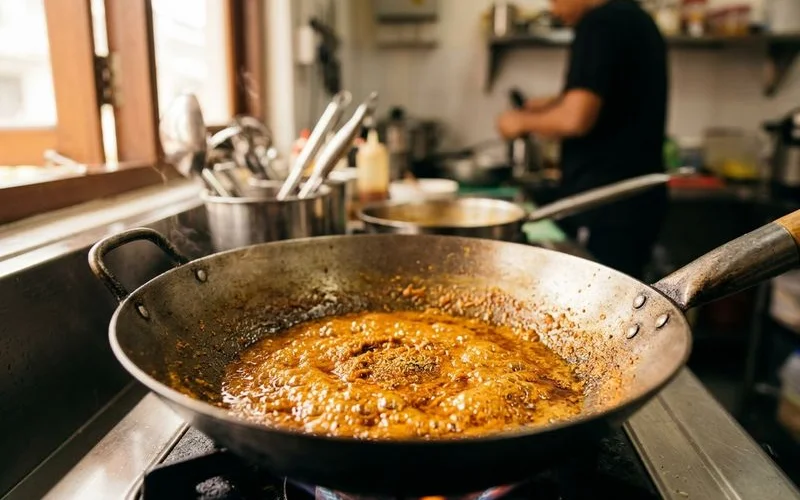
Our team refuses to rush this stage. Preparation of our rempah (spice paste) involves patient frying until the aromatics darken and the oil separates, a state known locally as pecah minyak. This meticulous step is a major reason why customers frequently comment on the “home-cooked” quality of our meals.
Fresh, Quality Ingredients
The starting point of any dish dictates its potential ceiling. Fresh protein holds a sweeter, cleaner taste than meat that has suffered freezer burn or long storage.
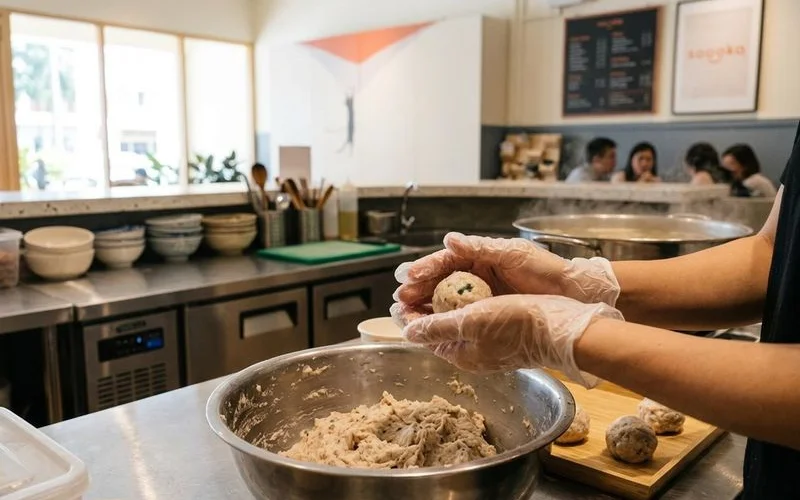
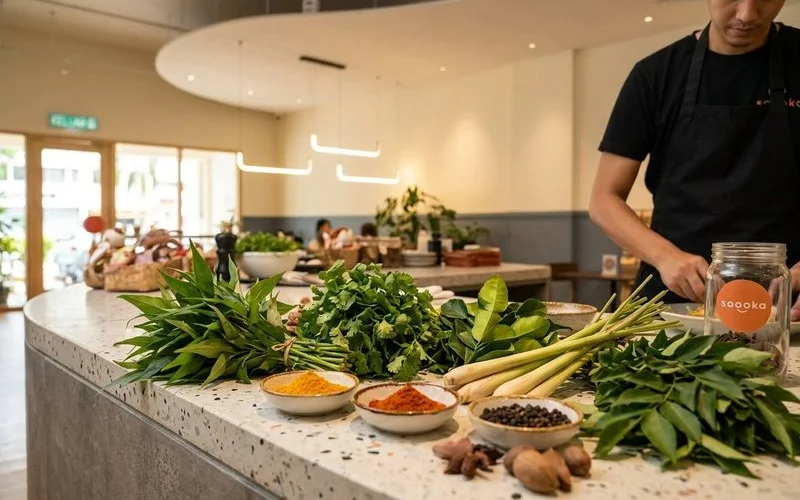
We prioritize sourcing ingredients that have not traveled far or sat in storage for weeks. Our handmade fish balls utilize fish sourced just a day prior. Herbs and aromatics arrive from local markets multiple times a week to ensure peak potency. High-quality raw materials require far less manipulation to taste delicious.
Seasoning with Intention
Removing the safety net of MSG forces a higher standard of tasting. Constant sampling occurs throughout our cooking process.
A dish might need a splash of acid to cut through fat. Perhaps a pinch of sugar is required to round out the heat of a chili paste. White pepper might be added for a gentle, earthy warmth. This iterative process of tasting and adjusting ensures balance.
What This Means for You
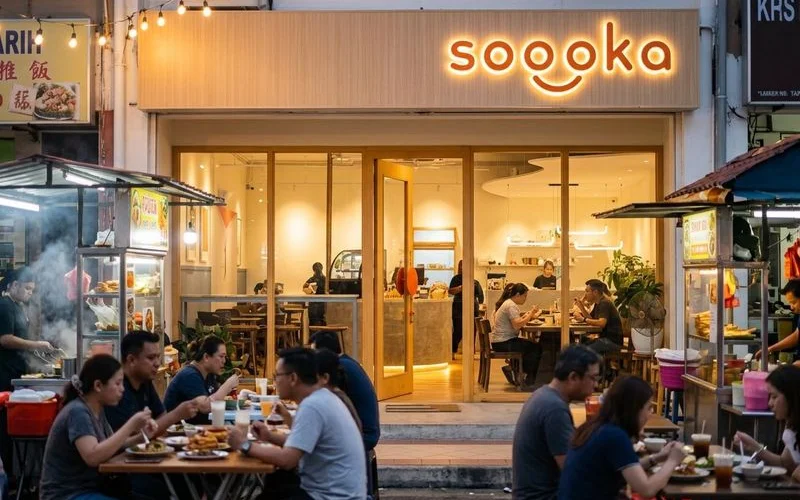
Dining at Soooka Cafe means engaging with food that has been constructed intentionally. Our comfort bowls—including the signature braised duck noodles and curry laksa—derive their impact from patience and produce.
This approach demands more labour and higher food costs. Yet, the result validates the effort. The food tastes natural and complex. Most importantly, it satisfies deeply without leaving you with the intense thirst often associated with heavily processed seasonings.
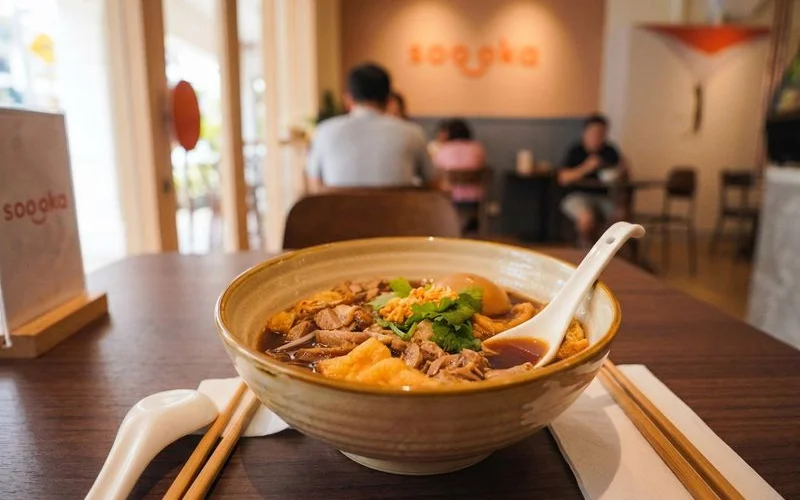
Experience the Difference
Reading about flavour philosophy is one thing. Tasting it is the only proof that matters.
We invite you to visit our Malaysian fusion cafe in Damansara Perdana, Petaling Jaya. Order a bowl of porridge or noodles and take a moment to notice the flavour progression. You will find that the taste evolves with each bite rather than hitting a single, monotonous note.
This distinction defines our approach to natural cooking. Once you recognize the difference, it is difficult to settle for anything less.
Location: Damansara Perdana, Petaling Jaya Hours: Daily 10am - 10pm (Weekends from 8am), Closed Wednesdays.
To complete your meal, we recommend pairing your food with one of our specialty coffee options.
Explore More
View our comfort bowls menu →